You're a media company now. Sorry about that.
Earlier this month, Mark Zuckerberg choked down a pint of Guinness on Cheeky Pint, a podcast published by Stripe and hosted by its co-founder. Maybe you saw the clip.
Mark Zuckerberg pretending to enjoy Guinness is my new favourite thing. https://t.co/y570hFF0V6
— Mark Malone (@soundmigration) October 12, 2026
Earlier this year, OpenAI bought a talk show. A daily 3-hour live tech show called TBPN that streams on X, YouTube, and LinkedIn
Earlier this century, Red Bull started acting like a TV network. One that Evil Knievel himself would have been pretty proud of.
Tech companies, beverage companies, financial services companies, you name it, they're all investing heavily in their own media assets. If you have a brand, I've got news: it's time to start thinking like a media company now.
I recently saw Tyler Denk, the CEO of beehiiv, discussing exactly this on his LinkedIn page. It was the inspiration for this note. He pointed out that OpenAI buying a talk show isn't a one-off. Tech companies are currently pouring millions of dollars into building their own media. Stripe prints a magazine. Notion and Anthropic run big YouTube channels. Brex launched a newsletter. And they're all hiring storytellers and editors to do it.
He's spot on, and this is a trend we're seeing beyond just the tech industry.
This has been happening for years now
I mentioned Red Bull above, and I'll come back to them here because I think they're some of the pioneers. But instead of walking the Oregon Trail with a cart and wagon, they navigated it with a jetpack and a rocket-powered bathtub on wheels. Yes, the company sells energy drinks, but it acts like a TV network. It films extreme sports, runs events, sponsors athletes, plays a huge role in a large Netflix series, and people seek it out on purpose.
HubSpot's purchase of a newsletter in 2021 is another interesting one worth highlighting. The company sells software, and they bought a popular newsletter called The Hustle, not necessarily for the content itself (though that was part of it), but for the audience.
It’s happening north of the border, too
During my time working with Real Estate Works (REW), Western Canada’s largest home search platform, the company invested heavily in new forms of media. I helped the company launch and publish REW.news, which quickly grew to 100,000+ subscribers and shared personal real estate stories, insights, and trends with British Columbia's highly tuned-in real estate audience. Many people in Vancouver joke that real estate is always the first conversation that comes up at dinner parties, so we had a lot to work with. Shortly after I left my role as Director of Content, the company went on to produce a successful YouTube series called RealTours, racking up millions of views and introducing new communities and new agents to the general public.
And then there's maybe my personal favourite brand that's leaned into becoming a media company: Wealthsimple. Back in 2022, the investing app launched a weekly newsletter called TLDR that, for my money, is the best financial newsletter being produced today. It reaches almost 2 million readers a week, and in 2024, it became the first Canadian newsletter to win a Webby, beating out offerings from media giants like CNN. It's one of the best advertisements that company has, and it’s way more news than banner ad in style.
Audiences like this are worth real money to corporations. When the Canadian business newsletter The Peak sold in 2023, it sold for $5 million with 115,000 subscribers or so. That's about $43 per reader.
Social and email work as a team
These brands are racking up millions of views on social media and across YouTube. TBPN built its audience mostly on social media, whereas Red Bull lives on video. At the end of the day, the algorithm decides who and how many people see their posts, so the investment in the newsletter space isn't too surprising. It's the one channel where you know your message gets delivered, including links to your latest videos and posts. Social gets you discovered, and email makes sure that people who found you keep seeing your content.
When done right, together the two channels make for a pretty powerful media strategy. And a way for corporations to get their products, services, and ideas directly in front of their consumers.
Why I started my newsletter, Work Friend
As I discussed above, I've built large newsletters before. We also grew the weekly newsletter for Forekast (a SaaS that flags trending events for marketers) to over 10,000 subscribers fairly quickly, and it became a strong source of revenue for the business. After being part of the successes at REW and Forekast, I didn't need to be convinced of the value of running a successful newsletter.
What I did need was the time to commit to it properly, and we're finally at a place in our business where we have the support team that allows me to work on the business At Something Great and not in the business 24/7. I'm excited to use our social channels and newsletter to get in front of small- and medium-sized business owners, my clients, and colleagues. I truly believe in the medium, and I know that as our audience grows, it will help with brand awareness and sales. It will take time, but I'm committed to it. Subscribe here to follow along. Our strategy is mostly written content for now, with a push into video next year.
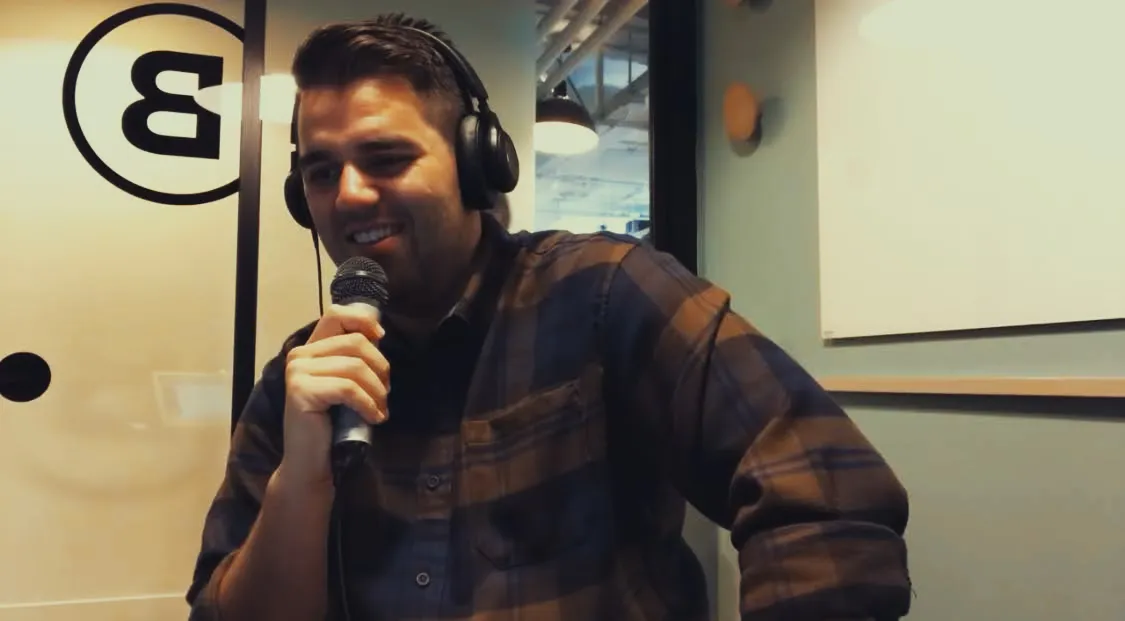
Why you should commit, too
You don't necessarily need a film crew, a thousand followers, or a magazine to get started. You need four things:
- A show (of sorts). Pick one repeatable format, like a weekly tip video, a monthly client story, or a behind-the-scenes look at how you operate. It could be a video, could be text, could be images.
- A stage. Post it on the platform where your customers already spend time. That might be LinkedIn, YouTube, Substack, Instagram, or somewhere else entirely. If you don't know where they're hanging out, ask your best customers where they scroll.
- A mailing list. Use a simple newsletter to send people back to your best content so they don't vanish after a day. In this way, you'll be able to drive more eyeballs to the content that you're committing to.
- A schedule. Media companies show up when people expect them. There's a reason Game of Thrones and The Sopranos dropped episodes every Sunday night and not sometimes on Thursdays.
The big corporations have figured it out. People trust the brands that they learn from, are entertained by, and choose to follow.
I know what you’re thinking. You didn't start your business to become a publisher or a media company. It’s why I apologized in the title (contrary to popular belief I didn’t do it just because I’m Canadian). I'm here to report on what's working for brands right now, and the brands winning attention are the ones that are showing up like a media company.
You're a media company now. You might as well act like one.
• • •
Want more like this? Work Friend is my free weekly newsletter for business owners and marketing leads. Every Tuesday you get:
- The one marketing change worth your attention
- Quick verdicts on what to act on, watch or ignore
- One tool or tactic that's working right now